Elizabeth “Betsy” S. Hawley, PhD, from the University of South Alabama is a guest curator for the 2025-26 academic year.
Auburn, AL. – The Jule Collins Smith Museum of Fine Art at Auburn University announces the opening of a research-driven exhibition, “Being and Belonging in American Art: 1946/2026,” curated by guest scholar Elizabeth “Betsy” S. Hawley, PhD, from the University of South Alabama. Hawley’s scholarship reexamines the university’s art collection through the lens of American modernism and contemporary pairings through the 21st century.
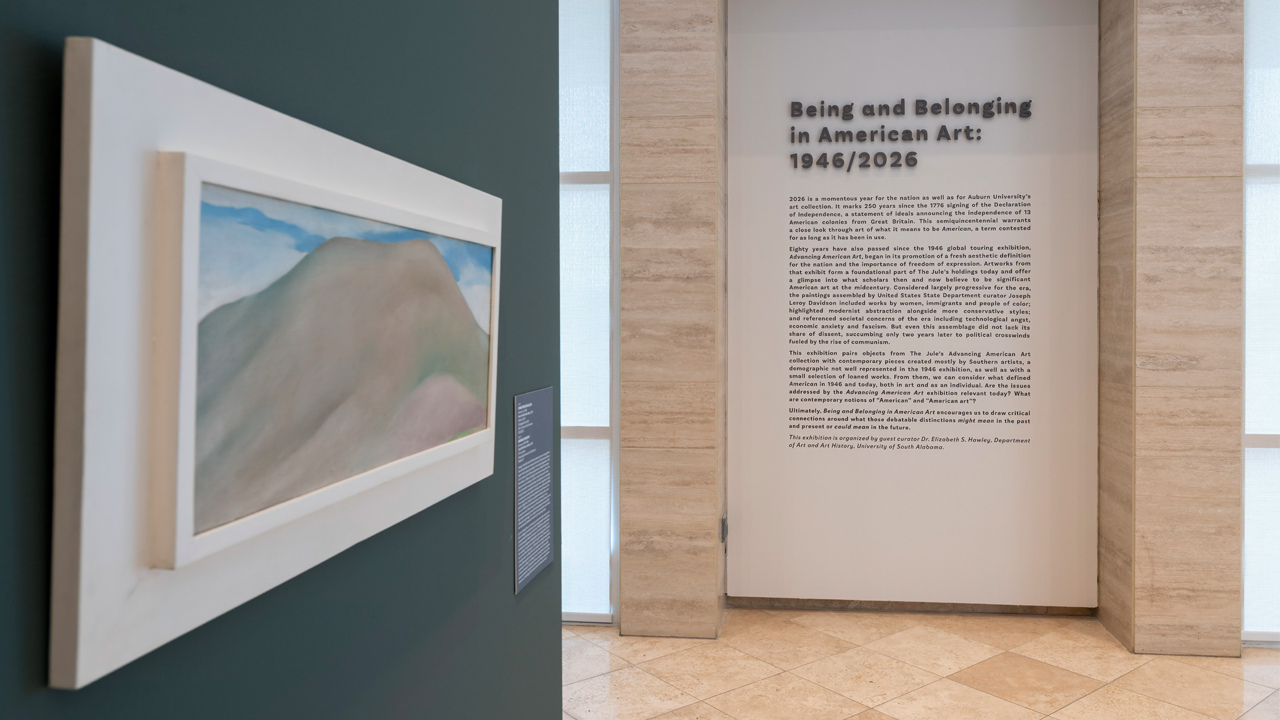
American modernism, a cultural movement spanning roughly from the 1910s to the 1950s, marked a period of radical experimentation in the visual arts. Artists during this time sought to break from European traditions and define a distinctly American voice—often through abstraction, urban themes and new materials. A foundation of Auburn’s holdings and a collection strength is in this period, from 36 objects purchased in 1948, which included paintings by Georgia O’Keeffe, Jacob Lawrence and Yasuo Kuniyoshi.
Timed to coincide with the 250th anniversary of the signing of the Declaration of Independence as part of the museum’s academic year focus, “Being and Belonging” invites viewers to reflect on the evolving ideals of freedom, identity and connectedness in American culture. The exhibition challenges traditional art historical frameworks and encourages a broader understanding of what constitutes American art.
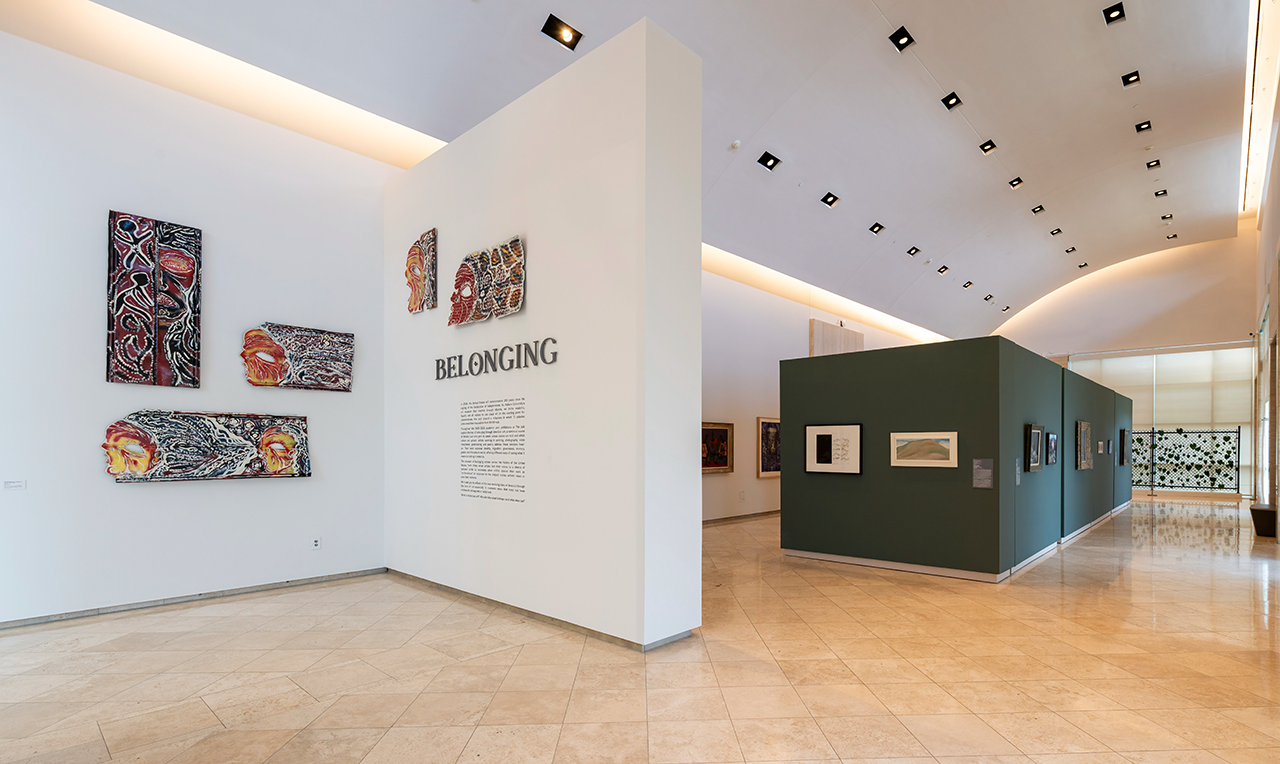
Dr. Hawley began her research by studying objects from the mid-20th century within the university’s art collection, which spans more than 3,000 objects. She then identified contemporary works—also housed in the collection—that resonate with or challenge the narratives embedded in these earlier pieces. The result is a series of thought-provoking pairings that prompt the viewer to ask: who belongs in American art? and what stories remain untold?
“These are questions I often think about in my research—I specialize in modern and contemporary art of the Americas, with a particular focus in Indigenous art and women’s art.”
Organized by the US State Department in 1946 as a form of international cultural diplomacy, the original exhibition, Advancing American Art, featured established and emerging artists, many of whom primarily spent their careers in New York, and those who either trained in academia or some of the best-known art schools in the US and Europe.
“I did not find this surprising; it is a typical regional bias in histories of mid-century modern American art. But as I went through The Jule’s collection of contemporary artworks, it dawned on me that most of the works I was selecting for consideration in the pairs were produced by Southern artists, many of them self-taught,” Hawley said. “I now consider this to be a great strength of The Jule’s holdings.”
“Universities are places where knowledge is not only transmitted but also created,” said museum executive director Cindi Malinick. “Inviting Dr. Hawley to curate this exhibition is a form of research—an inquiry into the collection, into history and into the present moment.”
This exhibition exemplifies the role of the university museum as a site of interdisciplinary learning for students across all fields—from engineering to philosophy.
“Dr. Hawley’s fresh perspective brings new life to the university’s art collection, modeling how creative scholarship increases visibility and dissemination while providing opportunities for community engagement with the university and broader audiences,” added Chris Molinski, the Janet L. Nolan Director of Curatorial and Educational Affairs.
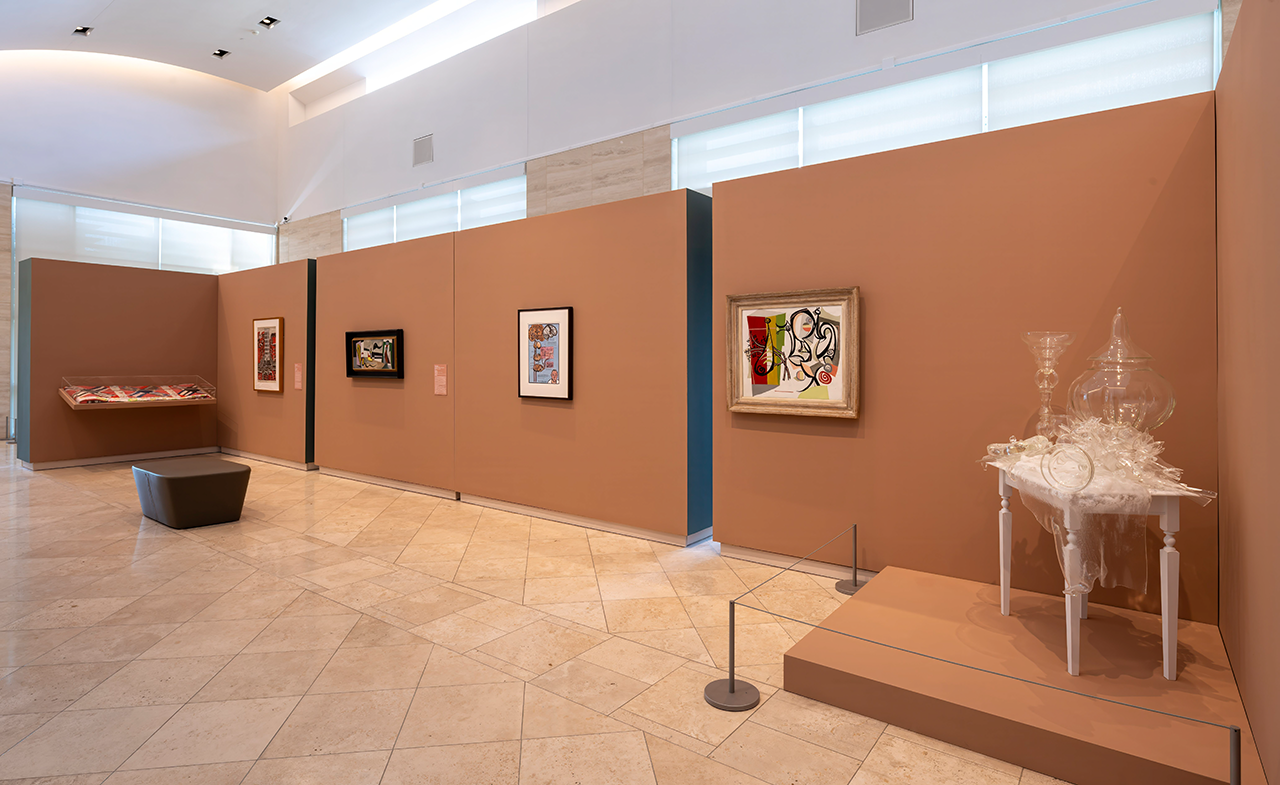
Hawley said she sought to present the exhibition in a way that can be enjoyed on multiple levels, whether finding visual similarities in the objects, ways in which the artists drew inspiration from other American artists and movements, or going deeper into the artists’ backgrounds and views.
“My ultimate curatorial ethos is that I want exhibitions to challenge visitors without alienating them. To that end, Being and Belonging does not shy away from presenting and contextualizing works that speak to fraught socio-political issues,” Hawley said.
“I aim to do so in a manner that will not leave viewers defensive but rather encourage them to think about historical and contemporary issues in ways they perhaps have not before considered. If people leave the show with a new or expanded way of thinking about notions of ‘American’ and ‘American art’ and the people and subjects that might belong in these categories, I will consider the exhibition a success.”
“Being and Belonging in American Art: 1946/2026,” is on view from Tuesday, August 19 to Saturday, July 5, 2026, with objects refreshed for the spring semester. Admission is free, with drop-in tours led by student guides and staff available Tuesday through Saturday at 5 p.m. Faculty are encouraged to direct students for self-study or may arrange for a class tour or study room session by visiting the museum’s website.
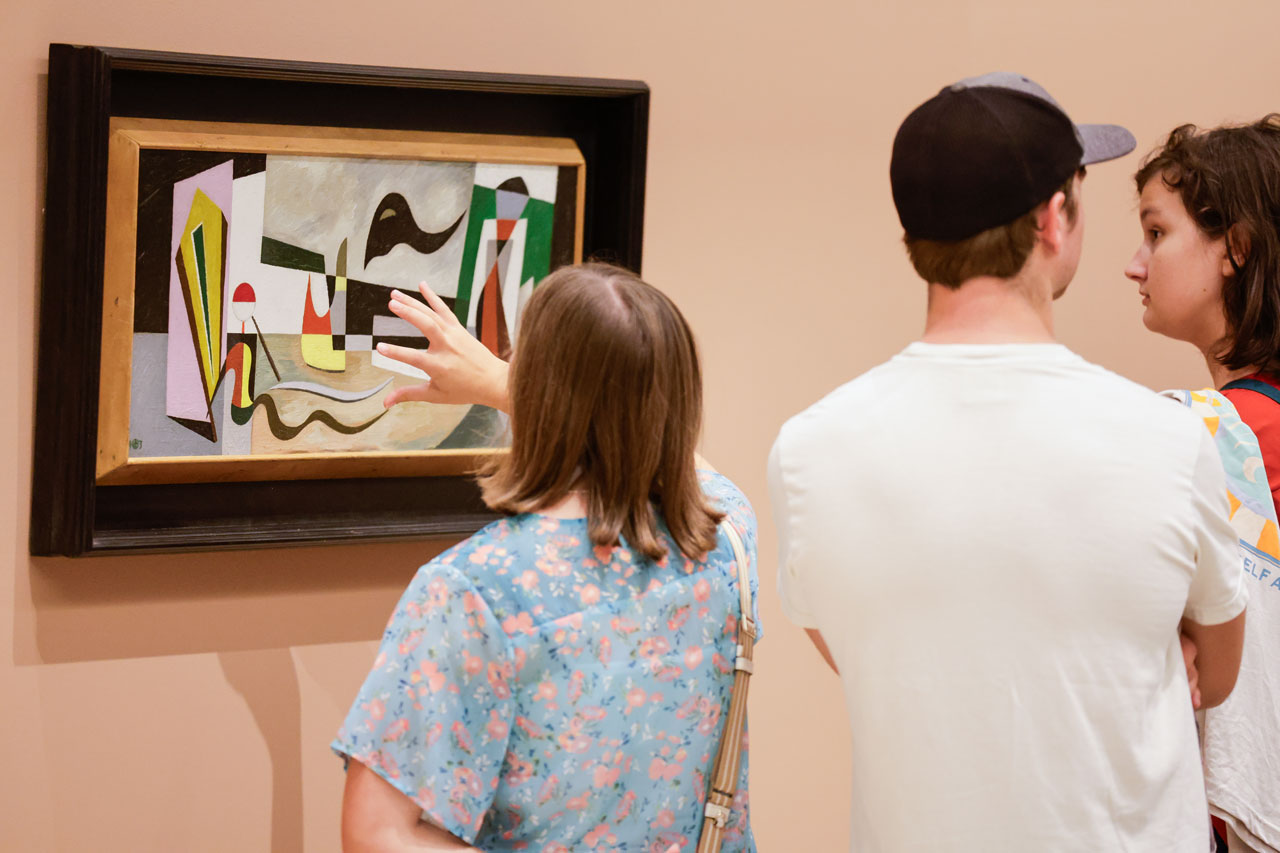
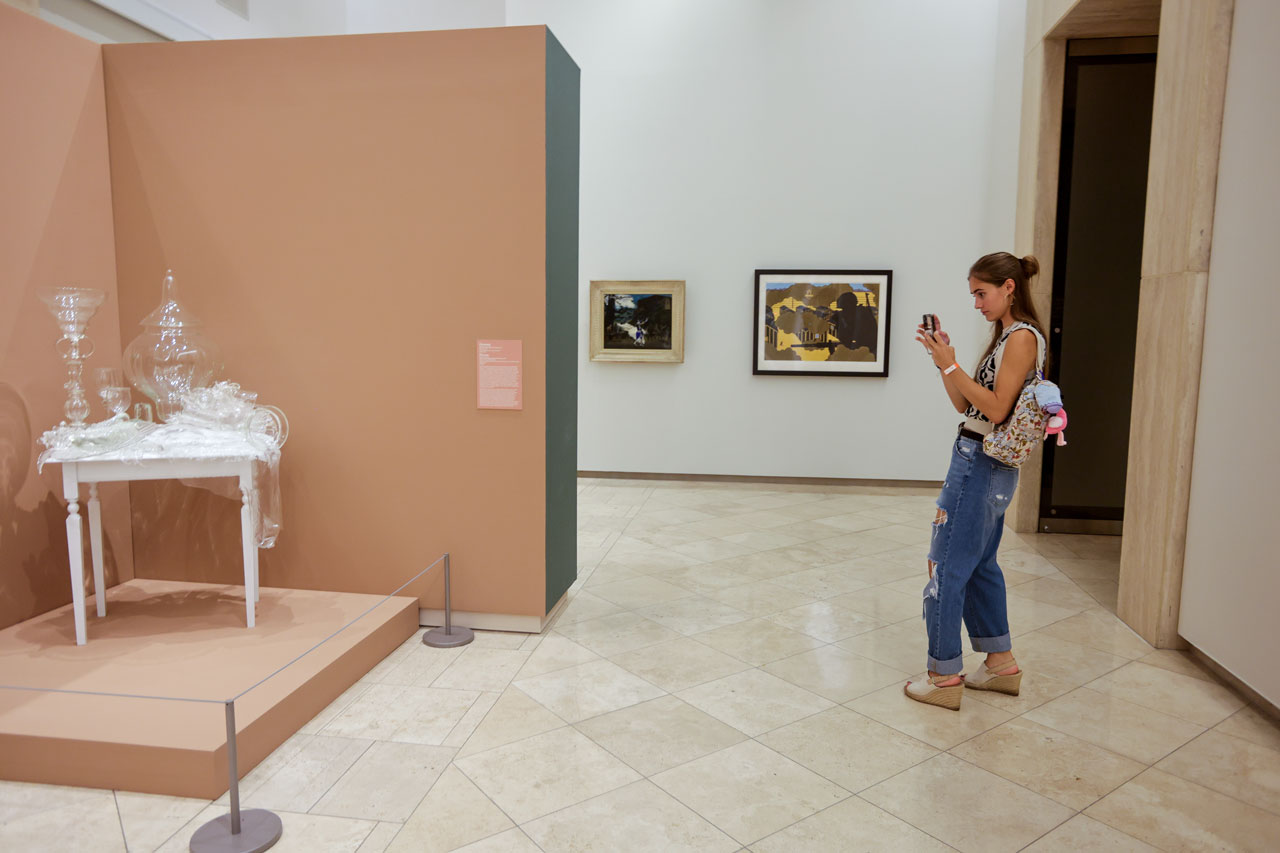
Installation views of “Being and Belonging in American Art: 1946/2026” at The Jule Museum. Photo: Mike Cortez.