The Art Dealers Association of America (ADAA) is pleased to announce the five 2025 ADAA Foundation grantees. These annual awards are distributed to small and mid-sized U.S. institutions advancing curatorial research, education, and community engagement. The 2025 recipients are: The DuSable Black History Museum and Education Center (Chicago, IL), Inner-City Arts (Los Angeles, CA), The Jule Collins Smith Museum of Fine Art (Auburn, AL), Museum of Contemporary Art Detroit (Detroit, MI), and Neuberger Museum of Art (Purchase, NY).
Established in 1970, the ADAA Foundation is a branch of the ADAA dedicated to making meaningful contributions to the fields of art and art history. Each year, visual arts institutions and organizations with operating budgets of up to six million dollars are invited to apply for grants ranging from $5,000 to $10,000 in support of research and development of new art exhibitions, educational programs, and community engagement initiatives, including those that advance equity, access, and representation.
Primarily funded by ADAA member galleries—the leading nonprofit network of the nation’s premier fine art dealers—the ADAA Foundation’s grant program champions museums, archives, and visual arts organizations with modest resources across the U.S., enabling them to develop ambitious exhibitions, engage their communities, and advance art historical scholarship. This year’s grantees will use their awards to spotlight feminist interventions in the art world, amplify the legacy of Black abstraction and fiber arts, illuminate the internationalism of the Black Renaissance, honor the activist heritage of Southern quilting traditions, and provide direct creative workforce opportunities for youth from underserved communities.
ADAA Foundation President Jill Newhouse stated: “The Foundation is proud to continue its support for small and mid-sized institutions that serve their communities in profound ways. By providing much-needed funding, the Foundation helps shape a path by which these institutions are free to define their own narratives and actualize their own visions. This year’s grantees in particular champion ambitious and essential programs demonstrating how art enriches and serves local communities, and our member galleries are happy to have been of help.”
“With member galleries and dealers embedded in cultural hubs across the country, the ADAA has a unique vantage point on where the most vital work is taking shape. Supporting these initiatives is core to our mission of championing visual arts organizations and amplifying their role in fostering artists, communities, and new ideas. This year’s grantees embody that spirit, and we are proud to invest in their vision and impact,” ADAA Executive Director Kinsey Robb adds.
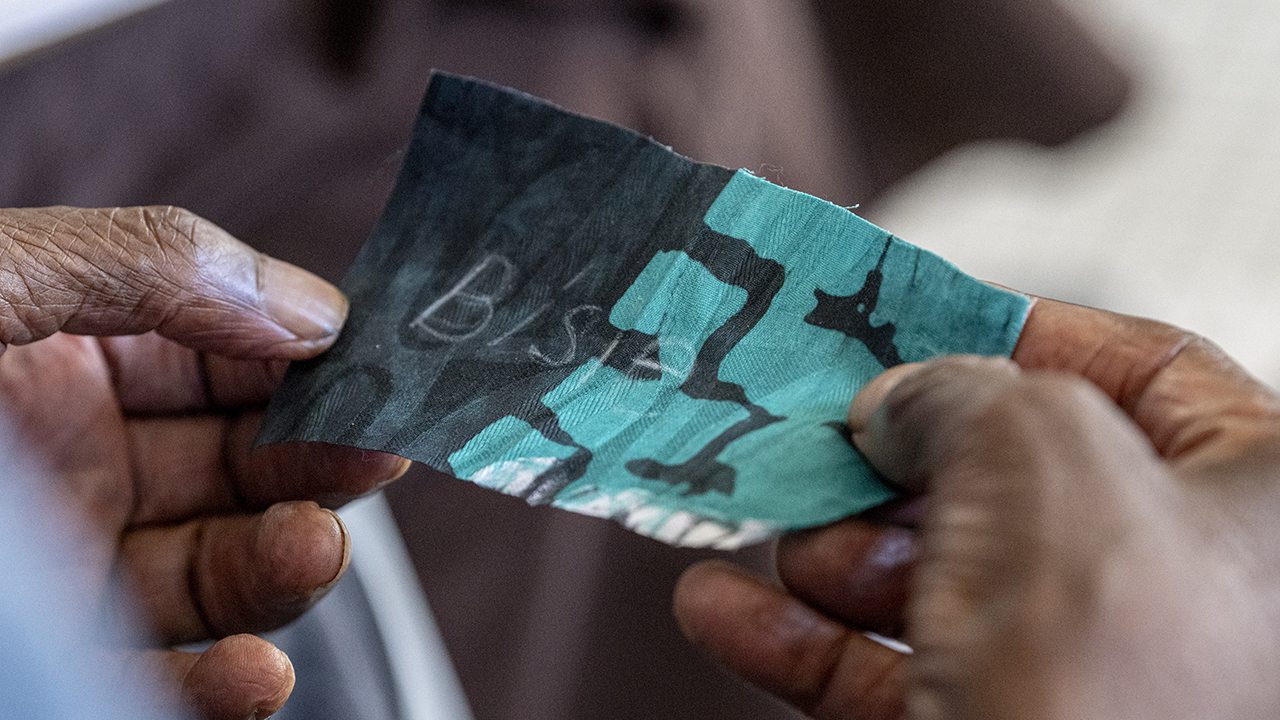
The ADAA supported the 2026 exhibition, Sew Their Names: Quilting, Creativity, and Activism in Lowndes County. Organized as part of a yearlong series marking the 250th anniversary of the Declaration of Independence, this exhibition honors the often-overlooked artistic and activist legacy of Lowndes County, Alabama. Building on a project begun at Hopewell Church in 2020, where Black quilters stitched the names of enslaved individuals from church archives, Sew Their Names features quilts by Southern artists, including Yvonne Wells, Wini McQueen, Charlie Lucas and Mercedes Braxton, alongside historical work from Lowndes County. Participatory workshops will invite visitors to contribute to this ongoing act of remembrance.
“Sew Their Names represents the culmination of multiyear statewide engagement—an initiative bringing together artists, educators and communities through workshops and displays that enrich conversations and relationships,” said Cindi Malinick, Executive Director of The Jule Collins Smith Museum of Fine Art at Auburn University. “For our university students, the exhibition serves as an exercise in how creative collaboration shapes civic life and fosters cultural understanding. For campus visitors from across the region, it amplifies voices and the shared experiences that define and can help reimagine our state.”